Exploring Metaphysical Art: Tips for Your Collection
- Rebekka Henry
- Feb 17
- 4 min read

Metaphysical art invites viewers to explore the unseen dimensions of existence, transcending the ordinary to reveal deeper truths. This genre, rich in symbolism and spiritual significance, can be a captivating addition to any art collection. Whether you are a seasoned collector or just beginning your journey, understanding the nuances of metaphysical art can enhance your appreciation and help you curate a meaningful collection.
Understanding Metaphysical Art
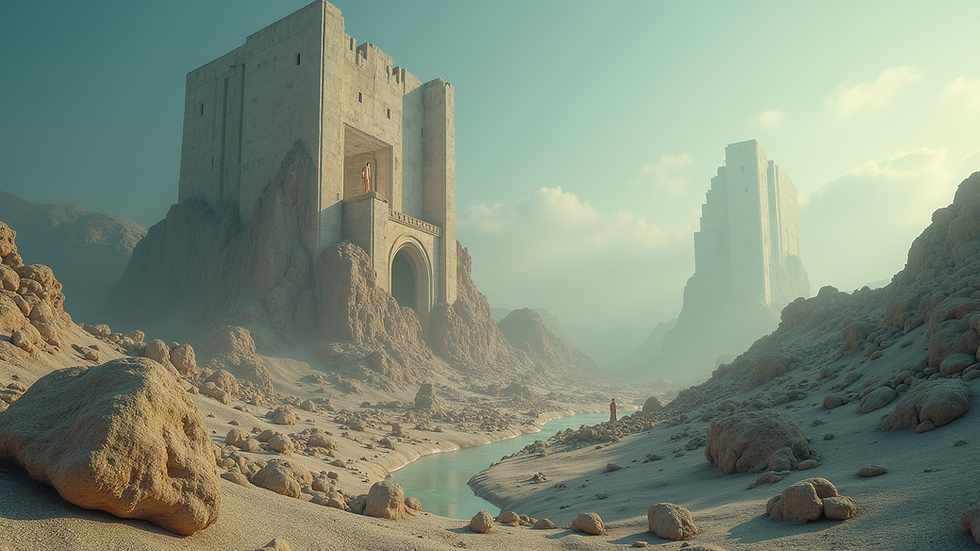
Metaphysical art emerged in the early 20th century, primarily associated with Italian painter Giorgio de Chirico. His works often featured eerie landscapes, classical architecture, and enigmatic figures, prompting viewers to ponder the nature of reality and existence. This genre encourages introspection and invites viewers to question their perceptions of the world.
Key Characteristics of Metaphysical Art
Symbolism: Metaphysical art is rich in symbols that convey deeper meanings. Common motifs include clocks, shadows, and empty spaces, each representing concepts like time, absence, and the unknown.
Dreamlike Quality: The compositions often evoke a dreamlike atmosphere, blurring the lines between reality and imagination. This quality encourages viewers to engage with the artwork on a subconscious level.
Philosophical Themes: Many metaphysical artists explore themes of existence, identity, and the nature of reality. Their works often reflect philosophical inquiries, inviting viewers to contemplate their own beliefs and experiences.
Tips for Building Your Metaphysical Art Collection
Building a collection of metaphysical art can be an enriching experience. Here are some practical tips to help you navigate this unique genre:
1. Research and Educate Yourself
Before diving into collecting, take the time to research metaphysical art and its key figures. Familiarize yourself with the works of artists like Giorgio de Chirico, René Magritte, and Salvador Dalí. Understanding their styles and themes will help you identify pieces that resonate with you.
2. Attend Art Exhibitions and Galleries
Visiting art exhibitions and galleries is an excellent way to experience metaphysical art firsthand. Look for shows that focus on this genre or feature artists known for their metaphysical works. Engaging with the art in person allows you to appreciate the details and nuances that may not be evident in photographs.
3. Connect with Other Collectors
Joining art communities or forums can provide valuable insights and connections. Engaging with fellow collectors can help you discover new artists, share experiences, and gain advice on building your collection. Networking with others who share your passion can enhance your understanding of metaphysical art.
4. Start Small
If you are new to collecting, consider starting with smaller pieces or prints. This approach allows you to explore different styles and artists without making a significant financial commitment. As you gain confidence and knowledge, you can gradually invest in larger or original works.
5. Consider the Emotional Impact
When selecting pieces for your collection, pay attention to the emotional response they evoke. Metaphysical art often aims to provoke thought and introspection. Choose works that resonate with you personally, as they will hold more meaning in your collection.
Notable Artists in Metaphysical Art
As you explore metaphysical art, consider the following notable artists whose works have significantly influenced the genre:
Giorgio de Chirico
De Chirico is often regarded as the father of metaphysical art. His paintings feature eerie, deserted cityscapes and classical architecture, creating a sense of mystery. Works like "The Mystery and Melancholy of a Street" exemplify his unique style and thematic exploration.
René Magritte
Magritte's surrealist approach often intersects with metaphysical themes. His iconic works challenge perceptions of reality, inviting viewers to question what they see. Pieces like "The Treachery of Images" play with the relationship between objects and their representations.
Salvador Dalí
While primarily known for his surrealism, Dalí's works often delve into metaphysical themes. His dreamlike imagery and exploration of the subconscious create a sense of wonder and intrigue. "The Persistence of Memory" is a prime example of his ability to blend the surreal with the metaphysical.
Caring for Your Metaphysical Art Collection
Once you begin building your collection, it is essential to care for your pieces properly. Here are some tips to ensure your artworks remain in excellent condition:
1. Proper Display
Choose a suitable location for displaying your art. Avoid direct sunlight, as it can fade colors and damage the artwork over time. Consider using UV-protective glass for framed pieces to shield them from harmful light.
2. Regular Cleaning
Dust your artworks regularly using a soft, dry cloth. Avoid using cleaning solutions, as they may damage the surface. If you have concerns about cleaning, consult a professional conservator for advice.
3. Climate Control
Maintain a stable environment for your collection. Extreme temperatures and humidity can adversely affect artworks. Aim for a consistent temperature and humidity level to preserve the integrity of your pieces.
4. Insurance and Documentation
Consider insuring your collection, especially if you own valuable pieces. Keep detailed records of each artwork, including purchase receipts, artist information, and provenance. This documentation can be invaluable for insurance purposes and future resale.
The Future of Metaphysical Art
As contemporary artists continue to explore metaphysical themes, the genre remains relevant and evolving. New technologies and mediums, such as digital art and virtual reality, are expanding the possibilities for expression within this genre. Artists are finding innovative ways to engage viewers and provoke thought, ensuring that metaphysical art will continue to inspire future generations.
Emerging Artists to Watch
Keep an eye on emerging artists who are contributing to the metaphysical art scene. Many contemporary creators are blending traditional techniques with modern concepts, offering fresh perspectives on timeless themes. Engaging with these artists can provide exciting opportunities for your collection.
Conclusion
Building a collection of metaphysical art is a journey of exploration and self-discovery. By understanding the genre, researching artists, and connecting with fellow collectors, you can curate a collection that resonates with your personal experiences and beliefs. Remember to care for your artworks and stay open to new interpretations as the genre continues to evolve. Embrace the mystery and depth of metaphysical art, and let it inspire your own reflections on existence and reality.
As you embark on this artistic journey, consider visiting local galleries, attending exhibitions, and connecting with artists to deepen your understanding and appreciation of metaphysical art. Your collection can become a meaningful reflection of your own exploration of the unseen dimensions of life.


Comments